Lucid Dreaming

Lucid Dreaming

Lucid Dreaming is a digital training program designed to help individuals understand and practice lucid dreaming through a structured 30-day Bootcamp Challenge. It provides step-by-step guidance, daily instructional videos, printable exercises, and practical techniques focused on improving dream recall, recognizing dream signs, developing dream awareness, and practicing reality testing.

The program also introduces meditation, visualization, and other learning methods to help participants build a consistent lucid dreaming practice and explore greater awareness during their dreams.

What Is Lucid Dreaming?

Lucid Dreaming

Lucid dreaming is a fascinating experience in which a person becomes aware that they are dreaming while the dream is still happening. Instead of accepting everything in the dream as reality, the dreamer recognizes that they are asleep and experiencing an imagined environment.

For example, imagine walking through a familiar city when you suddenly notice that the buildings are changing shape or the sky looks unusual. You realize that these details could not happen in ordinary waking life, and you become aware that you are dreaming.

Some people can simply observe their dreams after becoming lucid, while others develop varying degrees of influence over dream events. They may change their surroundings, choose where to go, or experiment with activities such as flying.

Lucid dreaming does not necessarily mean having complete control over everything in a dream. Awareness and control are separate aspects of the experience, and their intensity can differ from one dream to another.

How Dreams Work and What Makes a Dream Lucid

Dreams are experiences created by the brain during sleep. They can include images, conversations, emotions, memories, and imaginary situations that sometimes feel remarkably realistic.

Dreaming is particularly associated with rapid eye movement (REM) sleep, a stage in which brain activity is relatively active while most voluntary muscles remain relaxed. During ordinary dreams, people generally accept the dream environment without questioning whether it is real.

Lucid dreaming introduces an additional level of awareness. The dreamer recognizes the current experience as a dream rather than waking reality.

Several factors can contribute to developing this awareness:

● Dream Recall: Remembering dreams provides more opportunities to recognize recurring situations and unusual details.

● Reality Testing: Regularly questioning whether an experience is real can help develop awareness that may carry into dreams.

● Intention Setting: Mentally reminding yourself that you want to recognize when you are dreaming can support dream awareness.

● Mindfulness: Paying attention to thoughts and surroundings during the day may encourage greater self-awareness.

● Consistent Sleep Habits: Maintaining a regular sleep schedule supports healthy sleep patterns and provides opportunities for natural dreaming.

These practices form the foundation of many lucid dreaming learning methods.

How the Lucid Dreaming Program Works and Its Learning Approach

The Lucid Dreaming program follows a structured 30-day training approach that introduces different exercises progressively. Rather than presenting numerous techniques without direction, it organizes learning into manageable daily activities.

The central part of the program is the Lucid Dreaming Bootcamp Challenge, which combines printable exercise templates with daily instructional videos. The exercises are designed to help participants establish consistent habits, improve dream awareness, and become familiar with different lucid dreaming techniques.

The training is divided into four weekly stages.

Week 1: Freeing Your Mind

The first week introduces preparation techniques, dream journaling, meditation, and mental exercises. Participants learn how to record their dreams, recognize possible dream signs, and develop intentions that support awareness during sleep.

Week 2: Lucid Dream Creation

The second week focuses on practicing dream-induction methods, analyzing recurring dream patterns, and using visualization exercises. It also introduces dream conversations and techniques for recognizing opportunities to become lucid.

Week 3: Lucid Dreams On Command

The third stage explores additional approaches involving naps, meditation, everyday environmental reminders, and visualization. Participants are encouraged to refine their practice and understand which methods work best for their individual routines.

Week 4: Beyond Lucid Dreaming

The final week focuses on strengthening existing habits, improving dream awareness, refining meditation practices, and exploring more advanced techniques.

This gradual structure makes the subject easier to approach, particularly for beginners who may not know where to start.


Key Features of Lucid Dreaming

The program combines several learning features to make lucid dreaming practice more organized and accessible.

  1. Structured 30-Day Bootcamp: The bootcamp provides a daily learning schedule covering different aspects of lucid dreaming. Its four-week structure helps participants progress from basic preparation to more advanced dream-awareness exercises.
  2. Daily Instructional Videos: Participants receive training videos throughout the 30-day challenge. These lessons explain the exercises and provide guidance on how to approach each stage of the program.
  3. Printable Exercise Templates: The printable templates provide a convenient way to follow daily activities. Participants can track completed exercises and maintain a visual record of their progress.
  4. Dream Journal Guidance: Dream journaling is an important part of the learning process. The program introduces methods for recording dream experiences and identifying recurring details that may help with future dream awareness.
  5. Meditation and Visualization Techniques: The training includes meditation-related exercises and visualization practices. These activities introduce ways to develop mental focus and prepare for a more mindful approach to sleep.
  6. Lifetime Access to the Members Area: The bootcamp includes lifetime access to its members area, allowing participants to revisit the available lessons and supporting materials when needed.

Customer Experiences with Lucid Dreaming

"I enjoyed the structured approach of the Lucid Dreaming program. The daily lessons and printable exercises made it easier to understand dream awareness and develop a regular journaling habit. I particularly liked the practical techniques because they gave me something useful to work on each day."

Jessica M. – Texas

"The 30-day Bootcamp provides an interesting introduction to lucid dreaming. I found the instructional videos easy to follow, and the reality-testing exercises helped me understand how awareness techniques work. The organized learning schedule was another feature I appreciated."

Michael B. – Georgia

"I wanted to learn more about dream recall and lucid dreaming techniques, and this program covered several interesting methods. The printable templates helped me keep track of my exercises, while the daily lessons made the overall learning process straightforward."

Jessica P. – Oregon
Lucid Dreaming - 60 Days Money Back Guarantee

60-Day Money-Back Guarantee

The Lucid Dreaming offer includes a 60-day money-back guarantee, providing a refund window for eligible purchases. This gives customers an opportunity to evaluate the learning materials and decide whether the program meets their expectations.

Anyone considering a purchase should review the applicable refund conditions, eligibility requirements, and instructions for submitting a refund request before ordering.

The guarantee relates to the purchase terms and should not be interpreted as a promise that every participant will achieve a particular dream-related result.

Potential Benefits of Learning Lucid Dreaming

Learning about lucid dreaming can provide several interesting opportunities for personal exploration. Individual experiences vary, but some potential benefits include:

● Greater Dream Awareness: Practicing dream recall and reality testing may help people become more conscious of their dream experiences.

● Creative Exploration: Lucid dreams can provide an imaginative environment for exploring unusual ideas, scenarios, and possibilities.

● Personal Reflection:
Some individuals use their dreams as an opportunity to reflect on emotions, memories, and personal experiences.

● Dream Experimentation: Recognizing a dream can allow people to experiment with imaginary environments and activities that are impossible in everyday life.

● Mental Rehearsal: Certain dream experiences may offer opportunities to mentally rehearse movements or familiar activities, although improvements in real-world performance are not guaranteed.

● Mindfulness Practice: Techniques involving awareness, observation, and intention-setting can encourage greater attention to thoughts and experiences.

Lucid dreaming is best viewed as a form of personal exploration rather than a guaranteed method of improving mental health, intelligence, or everyday performance.

What Is Included in the Lucid Dreaming Program?

Lucid Dreaming Bootcamp - Bonus 1
BONUS #1 – Lucid Graphics Pack, Wallpapers, and Reality Test Reminders

This resource contains phone lock-screen graphics, desktop wallpapers, and visual reminders related to lucid dreaming. These materials are intended to keep dream awareness and reality testing visible throughout the day.

Lucid Dreaming Bootcamp - Bonus 2
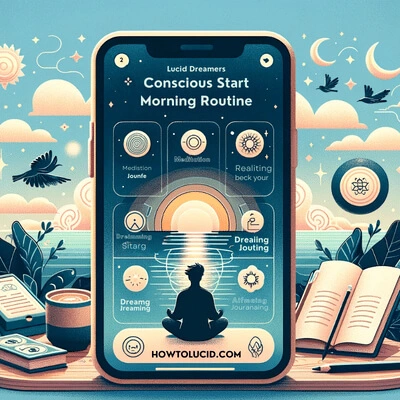
BONUS #2 – Conscious Start Morning Routine

The morning routine resource introduces a collection of simple activities designed to support consistent dream-related habits. It covers ways to organize morning practices and maintain motivation.

Lucid Dreaming Bootcamp - Bonus 3
BONUS #3 – Meditation for Lucid Dreams Playbook PDF

This PDF introduces meditation and relaxation techniques associated with lucid dreaming practice. It explores approaches to concentration, mental preparation, and relaxation that participants can incorporate into their routines.

Lucid Dreaming Bootcamp - Bonus 4
BONUS #4 – Lucid Adventure Blueprint

The Lucid Adventure Blueprint focuses on planning imaginary dream environments and experiences. It introduces visualization ideas for creating different locations, scenarios, and activities to explore during lucid dreams.

Lucid Dreaming Bootcamp - Bonus 5
BONUS #5 – Lucid Supplements Blueprint

This additional guide discusses supplements that are sometimes associated with dream vividness and lucid dreaming. It provides educational information about different substances and their reported uses. Supplements should never be treated as necessary for lucid dreaming, and anyone considering them should consult a qualified healthcare professional about safety, interactions, and individual suitability.

Lucid Dreaming Bootcamp - Bonus 6
BONUS #6 – 100 Things to Do in Lucid Dreams

This ebook provides a collection of more than 100 activity ideas for people who become aware inside their dreams. It includes creative experiences, imaginative challenges, and suggestions for exploring dream environments.

Who Is the Lucid Dreaming Program For?

✓ Beginners interested in understanding lucid dreaming.
✓ People who frequently remember their dreams and want to explore them further.
✓ Individuals interested in dream journaling and reality-testing techniques.
✓ People who enjoy meditation, visualization, and mindfulness activities.
✓ Curious learners interested in consciousness and sleep-related experiences.
✓ Experienced dreamers looking for additional exercises and structured learning materials.
✓ Individuals who prefer short daily lessons instead of lengthy training sessions.

Lucid Dreaming vs Other Dream-Awareness Techniques

Lucid dreaming is related to several other practices, but each has a different purpose. Dream journaling primarily focuses on remembering and recording dreams, while reality testing encourages people to question their surroundings and develop awareness.

Meditation emphasizes attention and mental observation, whereas visualization involves mentally imagining specific situations or environments. Lucid dreaming brings these ideas together during sleep, when the dreamer recognizes that the experience is not waking reality. Unlike ordinary dream journaling, which takes place after waking, lucid dreaming involves awareness while the dream is still happening.

The Lucid Dreaming program combines elements of these approaches within a structured learning schedule, making it possible to explore several techniques through one organized training experience.

How to Use the Lucid Dreaming Training Materials

Getting started with the program involves following the training schedule and developing a consistent routine.

1. Begin with the First Week: Start with the introductory lessons and complete the preparation exercises before moving to more advanced techniques.

2. Follow the Daily Videos: Watch the relevant instructional video and understand the exercise before practicing it.

3. Use the Printable Template: Keep the bootcamp checklist accessible and mark completed activities to monitor your consistency.

4. Maintain a Dream Journal: Write down any dreams you remember after waking up, including locations, people, emotions, and unusual details.

5. Practice Reality Testing: Develop a regular habit of questioning your surroundings and checking whether you might be dreaming.

6. Explore the Bonus Resources: Use the meditation playbook, morning routine, and adventure blueprint when they become relevant to your learning progress.

7. Review Your Progress: At the end of each week, consider which exercises were comfortable and which techniques deserve more practice.

Consistency and patience are more useful than trying to complete every exercise perfectly.

Frequently Asked Questions (FAQs)

Lucid dreaming is the experience of becoming aware that you are dreaming while the dream is still taking place. Some people can also influence certain aspects of their dream environment.

Yes. The program follows a progressive 30-day structure that introduces basic dream-awareness practices before moving toward more advanced exercises.

The training is designed around short daily exercises, with approximately 3–8 minutes of practice highlighted for the core routine. Additional time may be useful for watching lessons and recording dreams.

Yes. Lucid dreaming is not limited to experienced dreamers. Beginners can explore established awareness techniques, although the time required to experience lucidity varies between individuals.

No training method can reliably guarantee the same results for everyone. The program provides exercises and guidance, but individual experiences depend on several factors.

The offer includes a 60-day money-back guarantee. Customers should review the applicable refund conditions before purchasing.

Secure Your Lucid Dreaming Bootcamp Discount Today

Lucid Dreaming Bootcamp Discount

Regular Value: $197

Today’s Special Price: $27

All content and information provided on this page are for educational and informational purposes only. The information is not intended to diagnose, treat, cure, or prevent any medical or sleep-related condition. Consult a qualified healthcare professional if you have concerns about your sleep, mental health, or overall well-being. Individual experiences and results may vary.

The display of third-party trademarks, brand names, and trade names on this website does not necessarily indicate any affiliation with or endorsement by their respective owners. If you click an affiliate link and purchase a product or service, we may receive a commission at no additional cost to you.

© Copyright 2026 Lucid Dreaming. All Rights Reserved.